Column · @rowanzvrx537
Do It Yourself Home Appliance Repair Service: Idea to Save Money and Time
Introduction
In today's fast-paced world, home devices have actually ended up being vital. These makers make our lives easier, but they can also give aggravation when they damage down. Instead of promptly calling a professional, many house owners are finding the advantages of DIY Device Repair This technique not only conserves money but likewise provides a feeling of achievement. In this extensive guide, we'll discover pointers and tricks for efficient DIY fixings, together with important understandings on different home appliances.
DIY Appliance Repair service: Advice to Conserve Money and Time
Appliance fixings can appear daunting initially look, yet with the appropriate expertise and devices, you can take on lots of usual issues on your own. Whether it's your washing maker that has actually quit spinning or your refrigerator that's not cooling down properly, we'll give you with workable advice to obtain those machines back in working order.
Understanding Your Devices: The Basics
Before diving into repairs, it's vital to recognize exactly how your devices function. Each home appliance operates particular concepts:
- Refrigerators: They utilize cooling agents to transfer warmth from inside the refrigerator to the outside.
- Washing Machines: These devices count on water pumps and motors to tidy clothes.
- Ovens: Gas or electric ovens make use of heating elements or gas burners for cooking.
Knowing these fundamentals aids you troubleshoot effectively.
Common Tools for do it yourself Repairs
Having the right devices is vital for any type of DIY task. Below's a checklist of vital tools you must have:
- Screwdrivers (flathead and Phillips)
- Pliers
- Wrenches
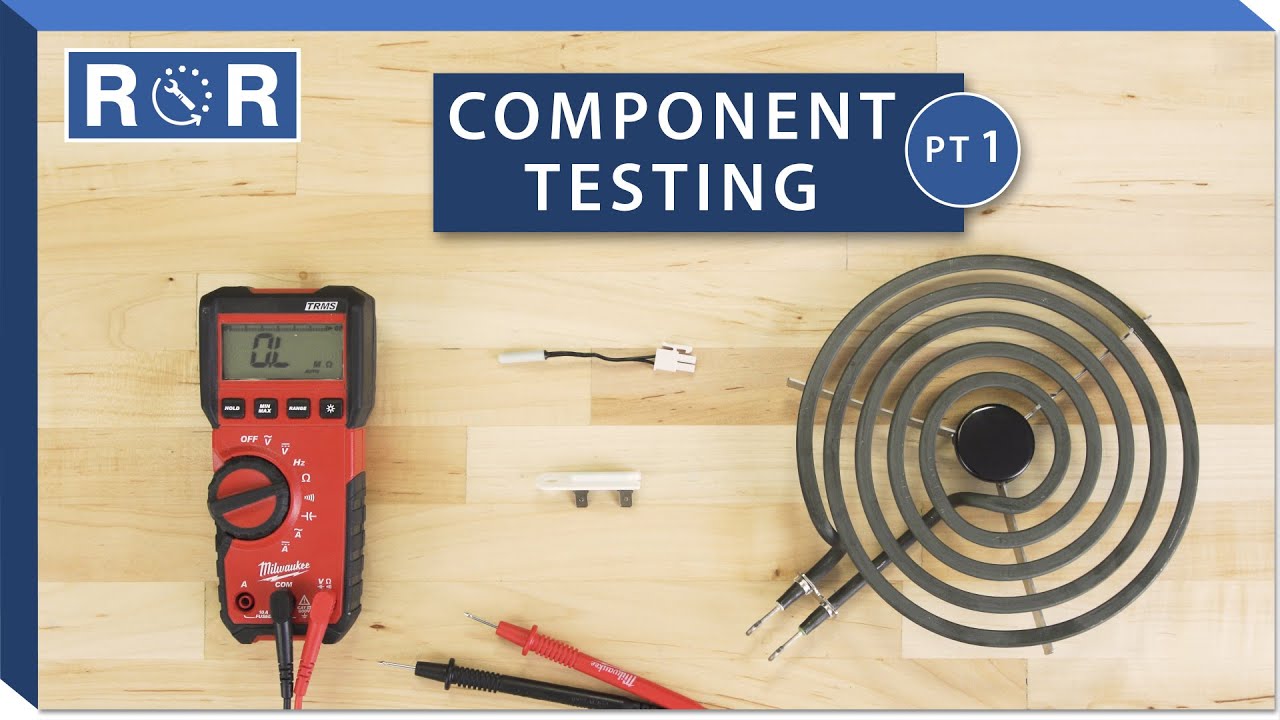
- Multimeter
- Voltage Tester
- Torpedo Level
- Utility Knife
- Work Gloves
With these tools at your disposal, you're well-equipped to take care of most minor repairs.
Identifying Common Appliance Problems
One vital aspect of successful DIY repair services is recognizing the problem accurately prior to attempting a fix.
Refrigerator Not Cooling
If your fridge isn't cooling down properly, check the following:
- Temperature settings
- Door seals
- Condenser coils for dust build-up
Washing Equipment Won't Spin
For washing equipments, common concerns include:
- Clogged drainpipe hose
- Faulty lid switch
- Unbalanced loads
A quick examination can help identify the concern without needing comprehensive disassembly.
Step-by-Step Guide to Repairing Major Appliances
Repairing Refrigerators
1. Monitoring Power Supply
First points first-- guarantee that your refrigerator is receiving power. Inspect if it's plugged in properly and evaluate the outlet making use of a multimeter.
2. Cleaning Condenser Coils
Dirty condenser coils can create cooling down problems:
- Unplug the refrigerator.
- Locate coils (usually at the back or bottom).
- Use a brush or hoover to remove dust.
3. Examining Door Seals
Worn-out seals can result in temperature level issues:
- Inspect seals for cracks.
- Replace them if necessary; new seals are relatively inexpensive and very easy to install.
Fixing Cleaning Machines
1. Repairing Water Drainage Issues
If water isn't draining:
- Check for obstructions in the drain hose.
- Inspect the pump filter; tidy it if clogged.
2. Resolving Spin Cycle Problems
If your https://www.are.na/master-of-appliances-repair-team/master-of-appliances-repair maker will not rotate:
- Ensure it's level; change feet as needed.
- Test the lid switch by bypassing it momentarily during troubleshooting.
Oven Repairs Made Simple
1. Stove Not Heating
If your stove won't heat up:
- Check if it's linked properly.
- Inspect heating elements; change them if charred out.
2. Irregular Cooking
For uneven food preparation problems:
- Ensure that there's adequate airflow around dishes.
- Calibrate stove temperature level settings based on a stove thermometer reading.
Safety First: Preventative measures During Repairs
When tackling device repair services, safety and security should always be your leading priority:
- Always disconnect home appliances before starting any type of repair work work.
- Wear suitable safety equipment (gloves, goggles).
- Be careful when using sharp devices or managing heavy parts.
Ignoring safety and security might lead to crashes or further damage!
Maintaining Your Appliances for Longevity
Regular maintenance can extend the life of your appliances significantly.
Refrigerator Maintenance Tips
- Clean coils every six months.
- Keep door seals clean and intact.
- Avoid straining racks which can block air circulation.
Washing Machine Maintenance Tips
- Run an empty warm cycle with vinegar regular monthly to avoid smell buildup.
- Regularly tidy detergent dispensers to stay clear of clogs.
- Check pipes frequently for indications of wear or leaks.
Regular upkeep indicates less unexpected breakdowns!
FAQs Concerning do it yourself Home appliance Repair
1. Can I actually save money by fixing my own appliances?
Absolutely! Expert repair work commonly feature high labor prices in addition to parts costs, while DIY repairs permit you to conserve considerably by doing it yourself.
2. What happens if I can't fix my home appliance after trying?
Sometimes points do not go as planned! If you're not able to fix an issue after a number of attempts, think about consulting a professional specialist who may use more understandings right into even more complicated problems.
3. Are there sources available for finding out home appliance repair?
Yes! Numerous online platforms supply tutorials-- including YouTube networks dedicated especially to home appliance repair-- and numerous manuals are available on the internet too!
4. Do I require unique training for DIY home appliance repair?
Not always! Standard knowledge regarding just how appliances work combined with excellent resources will outfit you well enough for many common repairs.
5. What are some typical errors people make during DIY repairs?
Common blunders include not detaching power sources before beginning job or overestimating their ability which leads them right into difficult scenarios they can not resolve independently!
6. How usually must I do maintenance checks on my appliances?
Aim for quarterly upkeep checks where practical-- this aggressive technique minimizes wear-and-tear while prolonging life expectancy considerably!
Conclusion
Embarking on DIY device fixing jobs can be incredibly fulfilling-- not just do you save money yet you also acquire vital abilities along the way! By recognizing your devices much better, equipping yourself with important tools & & understanding regarding typical issues & & solutions around them-- you'll discover that keeping & & repairing these equipments ends up being much less daunting gradually! Remember-- the following time among your cherished home appliances chooses it needs some tender loving care-- do not wait! Dive right into those fixings with confidence equipped by all these pointers & & techniques offered below today under "do it yourself Appliance Repair Service: Advice to Conserve Money and Time." Satisfied repairing!